Hujjrah Mohalla
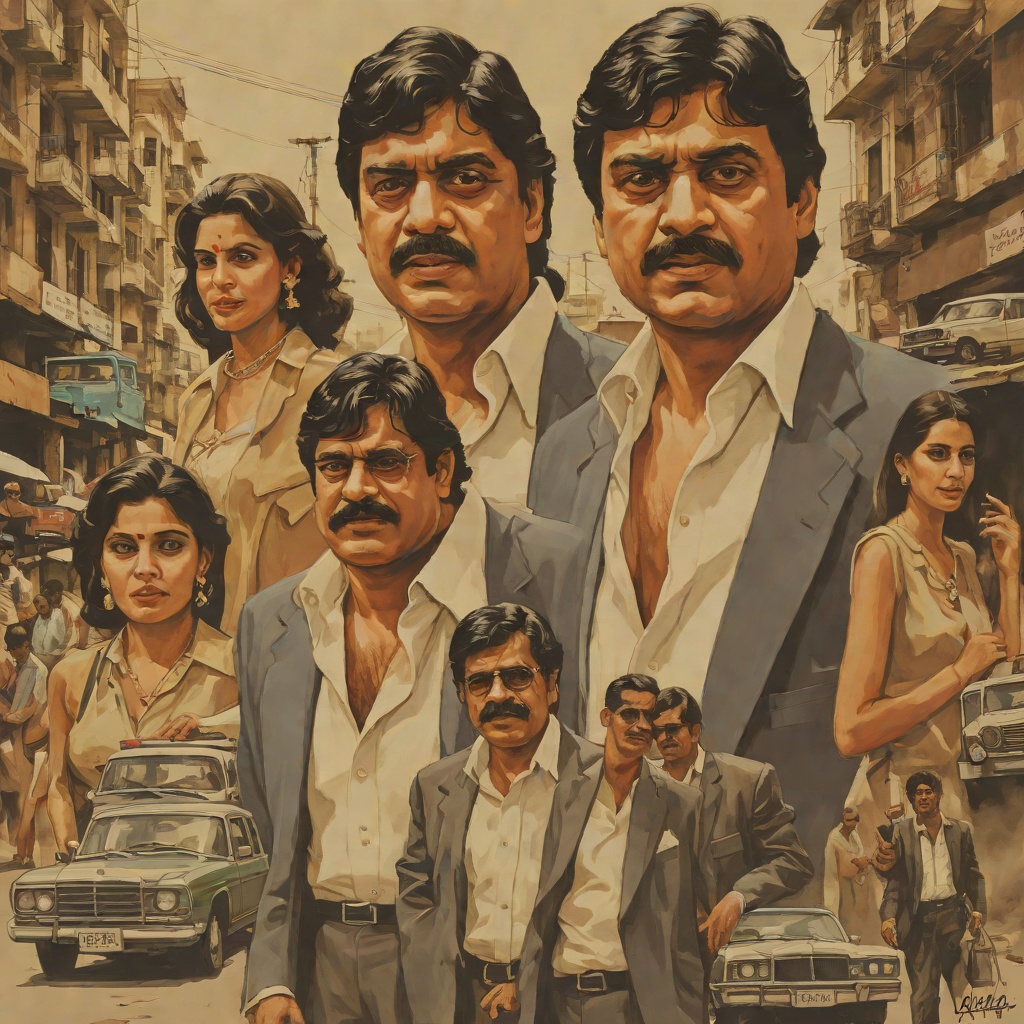
Mafia Queens of MumbaiHujjrah Mohalla, a lane in the Nagpada neighbourhood of Mumbai, is a place defined by its contradictions. It is a commercial artery, popular in Dongri for its clothing stores that sell readymade garments for women and children, yet it is also a gathering place for the city's small-time criminals. The lane's character shifts with the clock: until around 7 p.m., it is bustling with commercial activity, but after 8 p.m., the shopkeepers close up and the street transforms into a den for goondas, who gamble, plot robberies, and scheme pick-pocketing operations, or simply talk politics and religion. This nightly transformation makes it one of the most interesting places to be in the city at that hour, a liminal space where legitimate commerce and illicit enterprise coexist in a daily rhythm.
A Deliberate Proximity to Danger
The lane's most infamous resident was Sapna didi, a woman who had recently moved to a small house there. Her choice of residence was not accidental but a calculated, bold, and risky move. Hujjrah Mohalla was barely a few metres away from Mussafir Khana, the paternal home of Dawood Ibrahim, the man she had sworn to kill. By housing herself so close to her enemy's den, Sapna hoped to be alerted to any movement on his part. This decision to shift her base closer to the serpent was a daring provocation, a move that the narrator admits he would not have considered. The lane, therefore, became the stage for a high-stakes game of cat and mouse, where the hunter chose to live in the shadow of her prey.
The Night of the Murder
On a particular night in 1994, the lane's dual nature turned deadly. Sapna was down with a high fever and had asked her men to leave her alone to rest. It was a little before 10 p.m., and Hujjrah Mohalla was still bustling. The noisy lane, however, seemed to take a collective breath and stiffen when a red Maruti van drove in. Passers-by saw four men step out with daggers and pistols and force their way into the building where Sapna lived. Before anyone could react, the men had barged into her house. They woke her up, dragged her onto the floor, and began kicking her in the stomach and hands to prevent her from reaching a weapon. Defenceless, Sapna screamed for help, but her timid and unarmed neighbours stayed away. The four men then used their daggers, deliberately targeting her breasts and vagina, inflicting over twenty-two stab wounds. Instead of killing her quickly, they subjected her to extreme torture, seemingly instructed to make an example of her for anyone who dared to think of taking on Dawood. When she finally collapsed, the men left as they had come, and the people who had gathered outside, drawn by her screams, stood by in silence, knowing these were Dawood and Chhota Shakeel's men.
A Legacy of Silence and Fear
The murder of Sapna didi left an indelible mark on Hujjrah Mohalla. The narrator, who was besotted with her, rushed to the hospital only to be told she had been brought in dead. He reflects that Chhota Shakeel and his men will never be brought to book for her murder, noting that while the police made a few arrests during initial investigations, they were unable to convict anyone. Today, the residents of Hujjrah Mohalla, many of whom were witnesses to the murder, do not even dare to speak about the incident, trying to forget it ever happened. This collective silence is a testament to the fear that the underworld instils, transforming a busy commercial lane into a place where a brutal murder can occur in plain sight and be erased from public memory. The lane stands as a grim monument to the power of Dawood and Shakeel, and to the fate of those who dare to challenge them.